Introduction
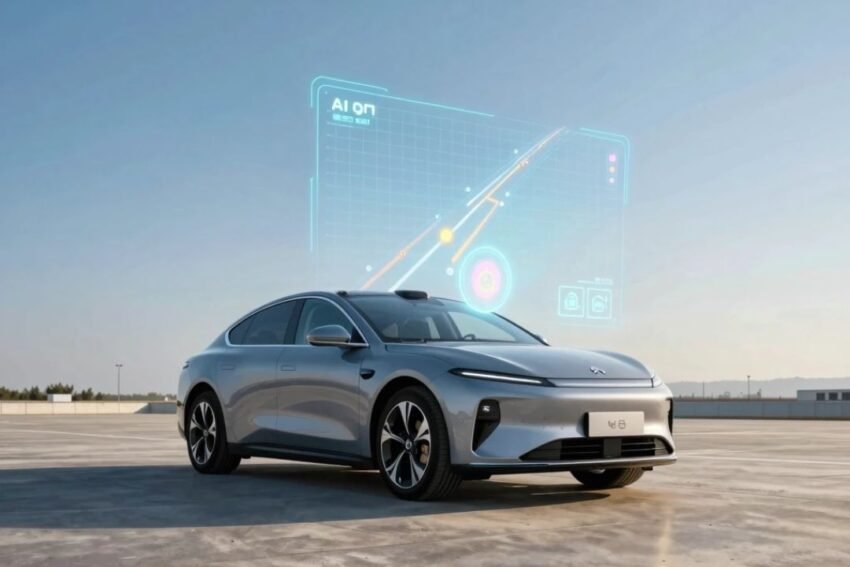
Smart car technology is transforming the automotive industry by combining vehicles with artificial intelligence, sensors, software, connectivity, and advanced driver-assistance systems. Modern cars are becoming increasingly intelligent, connected, and capable of processing large amounts of information.
In 2026, smart-car technology is no longer limited to premium vehicles. Features such as smartphone integration, connected navigation, automatic emergency braking, adaptive cruise control, digital dashboards, and over-the-air software updates are becoming increasingly common.
Smart cars can help drivers improve convenience, safety, efficiency, and vehicle management. However, it is important to understand that smart-car technology does not mean every vehicle is fully autonomous.
This guide explains smart car technology, including AI, autonomous driving, connectivity, sensors, safety systems, software updates, and future innovations.
What Is Smart Car Technology?
Smart car technology refers to digital systems that allow a vehicle to sense its surroundings, process information, communicate with other systems, and assist the driver.
A modern smart vehicle may combine:
- Artificial intelligence
- Cameras
- Radar
- LiDAR
- GPS
- Ultrasonic sensors
- Cloud connectivity
- Vehicle software
- Smartphone integration
- Driver-assistance systems
These technologies work together to create a more connected and intelligent driving experience.
1. Artificial Intelligence in Smart Cars
AI is becoming an important component of modern vehicle technology.
AI can help vehicles process information from sensors and understand different driving situations.
Common applications include:
- Voice assistants
- Driver monitoring
- Traffic recognition
- Navigation
- Parking assistance
- Predictive maintenance
- Personalized vehicle settings
- Driver-assistance systems
For example, an AI system can analyze information from cameras and other sensors to help identify vehicles, pedestrians, road markings, and traffic conditions.
2. Advanced Driver Assistance Systems
Advanced Driver Assistance Systems, or ADAS, are among the most common smart-car technologies.
Depending on the vehicle, ADAS can include:
- Automatic emergency braking
- Adaptive cruise control
- Lane-departure warning
- Lane-keeping assistance
- Blind-spot monitoring
- Rear cross-traffic alert
- Traffic-sign recognition
- Parking assistance
These systems are designed to support the driver.
They do not automatically make every vehicle autonomous.
Drivers should remain attentive and understand the limitations of the specific system installed in their vehicle.
3. Autonomous Driving Technology
Autonomous driving is one of the most advanced areas of smart-car development.
Autonomous systems can use multiple technologies to understand the vehicle’s surroundings.
These may include:
Cameras
Cameras can identify road markings, vehicles, pedestrians, signs, and other visual information.
Radar
Radar can measure distance and detect objects, especially in situations where visual information may be limited.
LiDAR
LiDAR uses laser pulses to create detailed information about surrounding objects and environments.
GPS and Mapping
Location systems and maps help vehicles understand where they are and plan routes.
AI Software
AI can combine information from multiple sensors and make driving-related assessments.
The capabilities and limitations of autonomous-driving systems vary considerably by vehicle and operating environment.
4. Smart Navigation Systems
Modern navigation systems are much more than digital maps.
Connected navigation can provide:
- Real-time traffic information
- Route optimization
- Road-condition information
- Charging locations
- Estimated arrival times
- Points of interest
- Alternative routes
Electric vehicles can also use navigation systems to consider battery level and charging stops when planning long journeys.
5. Connected Car Technology
Connected cars communicate with external services using wireless networks.
This allows vehicles to provide features such as:
- Remote vehicle monitoring
- Vehicle location
- Remote locking
- Climate control
- Charging information
- Maintenance notifications
- Navigation updates
Connected services can make vehicle ownership more convenient.
However, connectivity also creates cybersecurity and privacy considerations.
6. Smartphone Integration
Smart cars can connect with smartphones to extend vehicle functionality.
Depending on the vehicle and software, drivers may be able to:
- Unlock the car
- Check vehicle status
- Monitor fuel or battery levels
- Find the vehicle
- Start climate control
- Plan trips
- Schedule charging
- Receive notifications
Some vehicles can also support digital keys using compatible smartphones.
7. Over-the-Air Software Updates
Many modern vehicles are increasingly software-driven.
Over-the-air updates can allow manufacturers to update vehicle software remotely.
Depending on the vehicle, updates may improve:
- Infotainment
- Navigation
- Battery management
- Driver-assistance features
- Connectivity
- Security
- Vehicle functionality
This can reduce the need for certain software updates to be installed at a dealership.
8. Smart Digital Dashboards
Traditional dashboards are increasingly being replaced or supplemented by digital displays.
Smart dashboards can show:
- Speed
- Navigation
- Driver-assistance information
- Vehicle warnings
- Battery status
- Energy consumption
- Media controls
Some vehicles allow drivers to customize the information displayed.
A well-designed dashboard should provide useful information without creating unnecessary distractions.
9. Voice-Controlled Cars
Voice assistants are becoming increasingly common in smart vehicles.
Drivers may be able to use voice commands to control:
- Navigation
- Music
- Phone calls
- Climate settings
- Vehicle functions
AI-powered voice systems can understand more natural language than traditional command systems.
This can reduce the need for drivers to interact with touchscreens while driving.
10. Smart Parking Systems
Parking is another major application of vehicle intelligence.
Depending on the vehicle, parking technology may include:
- Parking sensors
- Rear cameras
- 360-degree cameras
- Automatic parking
- Parking-space detection
- Collision warnings
Some advanced systems can control steering during parking while the driver manages other controls as required.
11. Driver Monitoring Systems
Driver-monitoring technology is designed to determine whether the driver is paying attention.
Systems can use cameras or other sensors to identify signs of:
- Distraction
- Fatigue
- Inattention
The vehicle may provide alerts when the system determines that the driver needs to regain attention.
This technology can become increasingly important as vehicles provide more advanced driving assistance.
12. Predictive Maintenance
Connected smart cars can collect information about vehicle systems.
AI can analyze this information to help identify potential problems.
Predictive maintenance may monitor:
- Battery condition
- Tires
- Brakes
- Motor performance
- Electrical systems
- Charging equipment
The goal is to identify potential maintenance needs before they result in unexpected problems.
However, AI-based predictions should complement rather than replace appropriate professional inspections.
13. Smart Safety Features
Safety is one of the most valuable areas of smart-car technology.
Modern vehicles may include:
- Automatic emergency braking
- Forward-collision warnings
- Lane monitoring
- Blind-spot detection
- Rear cross-traffic alerts
- Driver monitoring
- Pedestrian detection
- Parking assistance
These technologies can provide additional awareness and assistance.
They should not encourage drivers to become less attentive.
14. Vehicle-to-Everything Communication
Vehicle-to-everything, commonly called V2X, refers to communication between vehicles and other systems.
Depending on the technology and infrastructure, this can include:
- Vehicle-to-vehicle communication
- Vehicle-to-infrastructure communication
- Vehicle-to-network communication
- Vehicle-to-pedestrian communication
Potential applications include traffic management, hazard warnings, and improved road coordination.
Availability and implementation vary between regions.
15. Smart Energy Management
Electric smart cars can use software to optimize battery energy.
The vehicle may monitor:
- Battery temperature
- Driving conditions
- Power demand
- Climate control
- Charging status
- Regenerative braking
This can help improve efficiency and make better use of available energy.
16. Regenerative Braking
Electric smart cars often use regenerative braking.
When the vehicle slows down, the electric motor can recover some kinetic energy and send it back to the battery.
Regenerative braking can:
- Improve efficiency
- Reduce energy loss
- Reduce some brake wear
- Change the driving experience
Drivers may be able to adjust the strength of regenerative braking depending on the vehicle.
17. Smart Climate Control
AI and connected sensors can make climate control more intelligent.
Systems may consider:
- Cabin temperature
- Outside temperature
- Occupant preferences
- Seat occupancy
- Battery condition
Some connected vehicles allow owners to precondition the cabin remotely before entering.
This can improve comfort and, in some EVs, help manage energy use.
18. Cloud-Connected Vehicles
Smart cars can communicate with cloud-based services.
Cloud connectivity can support:
- Navigation
- Traffic updates
- Software updates
- Vehicle diagnostics
- User profiles
- Connected apps
- Remote services
This creates a continuous connection between the vehicle and its digital ecosystem.
19. Cybersecurity in Smart Cars
As vehicles become more connected, cybersecurity becomes increasingly important.
Modern vehicles can contain numerous software systems and communication interfaces.
Potential risks include:
- Unauthorized access
- Data theft
- Malicious software
- Compromised accounts
- Insecure connected devices
Manufacturers need strong security practices, while owners should use secure accounts, updated software, and appropriate access controls.
20. Privacy and Smart Cars
Smart cars can process significant amounts of information.
Depending on the vehicle, this could include:
- Location data
- Driving information
- Vehicle diagnostics
- Connected-account information
- Infotainment activity
Consumers should review privacy settings and understand what information connected services collect and how it is used.
Smart Cars and Electric Vehicles
Electric vehicles and smart-car technology often work together.
An EV can combine electric propulsion with:
- Smart charging
- Battery monitoring
- Connected navigation
- Remote charging controls
- Energy optimization
- Over-the-air updates
- Advanced driver assistance
This makes many modern EVs highly software-driven.
However, smart technology can also be found in gasoline, hybrid, and other vehicle types.
Benefits of Smart Car Technology
Improved Safety
Driver-assistance systems can provide additional warnings and support.
Greater Convenience
Connected apps and voice controls can simplify everyday tasks.
Better Efficiency
Smart energy-management systems can optimize vehicle operation.
Predictive Maintenance
Connected data can help identify potential maintenance issues.
Improved Navigation
Real-time information can help drivers choose better routes.
Personalized Experiences
Digital profiles can store preferred settings and services.
Limitations of Smart Cars
Smart technology also has limitations.
Technology Can Fail
Sensors and software can experience errors or failures.
Driver Overconfidence
Drivers may rely too heavily on assistance systems.
Privacy Concerns
Connected vehicles can collect significant amounts of data.
Cybersecurity Risks
More connectivity creates additional attack surfaces.
Software Complexity
Modern vehicles can become more complicated to maintain and troubleshoot.
How to Choose a Smart Car
Before buying a smart vehicle, consider the following.
Safety
Review independent safety ratings and available driver-assistance systems.
Connectivity
Check smartphone apps, remote services, and connectivity features.
Driver Assistance
Understand exactly what each assistance system can and cannot do.
Software Updates
Check how the manufacturer handles updates.
Privacy
Review data-collection and privacy policies.
Cybersecurity
Consider the manufacturer’s security practices.
User Interface
Choose a system that is easy to understand and operate.
Future of Smart Car Technology
Smart cars are likely to become more capable over time.
Future developments may include:
- More advanced AI assistants
- Improved autonomous-driving systems
- Better sensor technology
- More personalized interfaces
- Advanced vehicle-to-everything communication
- Smarter energy management
- Improved predictive maintenance
- More sophisticated software updates
AI agents could eventually manage more complex vehicle-related tasks, while connected infrastructure could improve traffic coordination.
However, technology adoption will depend on regulations, infrastructure, safety validation, consumer demand, and manufacturer development.
Smart Cars and the Future of Transportation
Smart-car technology is part of a larger transformation in transportation.
Vehicles are increasingly becoming connected computing platforms.
In the future, cars may communicate with:
- Roads
- Traffic signals
- Charging stations
- Other vehicles
- Smart homes
- Mobile devices
- Cloud services
This could create a more connected transportation ecosystem.
Frequently Asked Questions
What is a smart car?
A smart car uses technologies such as sensors, software, connectivity, AI, and driver-assistance systems to improve safety, convenience, efficiency, and vehicle management.
Are smart cars fully autonomous?
No. Most smart cars currently provide driver-assistance features rather than complete autonomous driving. Drivers must understand the specific capabilities and limitations of their vehicle.
Is AI used in smart cars?
Yes. AI can support navigation, voice assistants, driver monitoring, object recognition, predictive maintenance, and other vehicle functions.
Are smart cars safe?
Smart-car technologies can provide useful safety assistance, but no system eliminates all driving risks. Drivers must remain attentive and follow the manufacturer’s instructions.
Can smart cars be hacked?
Connected vehicles can face cybersecurity risks. Manufacturers use security technologies to reduce these risks, while owners should protect connected accounts and keep software updated.
Conclusion
Smart car technology is transforming modern transportation by combining artificial intelligence, sensors, connectivity, software, and advanced safety systems.
In 2026, smart vehicles can provide features ranging from adaptive cruise control and automatic emergency braking to smartphone integration, predictive maintenance, digital dashboards, and over-the-air updates.
The future will likely bring more capable AI systems, better driver assistance, improved connectivity, and increasingly intelligent vehicles. However, smart technology should be viewed as a tool that supports drivers rather than a replacement for responsible driving.
As cars become more software-driven and connected, consumers should consider not only convenience and performance but also safety, privacy, cybersecurity, reliability, and the limitations of automated systems.
The combination of AI, electric power, connectivity, and advanced sensors is creating a new generation of vehicles—and smart-car technology is likely to play a central role in the future of mobility.