Introduction
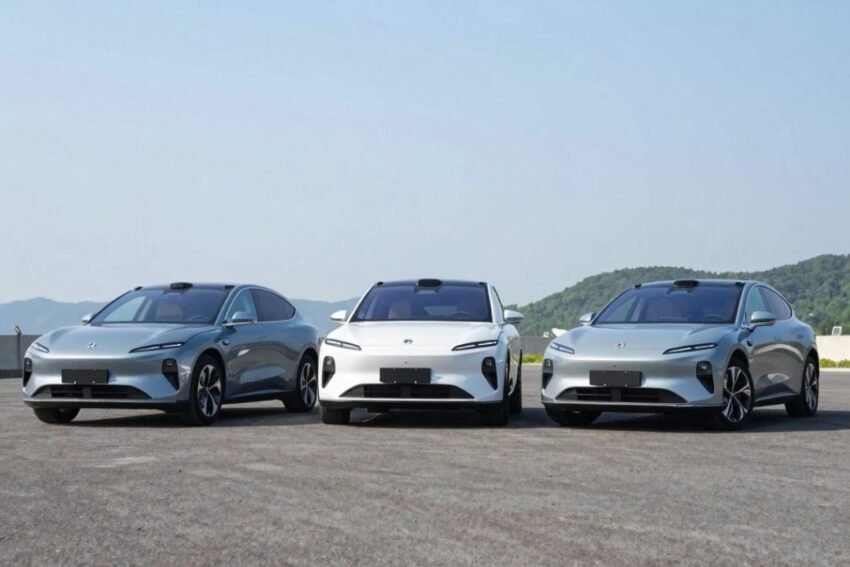
Electric vehicles have moved from a niche technology to a major part of the automotive market. In 2026, EV buyers can choose from compact city cars, practical family SUVs, luxury vehicles, high-performance models, and long-range electric sedans.
Modern EVs offer more than electric power. Many combine efficient battery systems with fast charging, advanced driver-assistance features, connected apps, digital dashboards, regenerative braking, and frequent software updates.
Choosing the best electric vehicle in 2026 depends on more than maximum driving range. Buyers should consider charging speed, battery warranty, price, practicality, safety, technology, comfort, and access to charging infrastructure.
This guide explains the most important EV categories and the features buyers should compare before choosing an electric vehicle.
What Makes an EV One of the Best?
There is no single electric vehicle that is perfect for everyone.
A good EV should offer a balance of:
- Practical driving range
- Efficient energy consumption
- Convenient charging
- Strong safety features
- Useful technology
- Comfortable interior
- Good reliability
- Competitive ownership costs
- Suitable cargo and passenger space
The best choice depends on your driving habits and budget.
1. Best EVs for Long Range
Long-range electric vehicles are designed for drivers who frequently travel longer distances.
When comparing range, remember that official range figures are produced using standardized testing procedures. Real-world range can vary because of:
- Highway speed
- Weather
- Temperature
- Terrain
- Air conditioning or heating
- Tire pressure
- Driving style
- Vehicle load
A long-range EV is particularly useful for drivers who regularly travel between cities.
What to Look For
When shopping for a long-range EV, compare:
- Official range rating
- Highway efficiency
- Battery size
- DC fast-charging capability
- Charging-network access
- Battery preconditioning
- Navigation integration
A vehicle with slightly lower range but significantly faster charging may be more convenient for frequent road trips.
2. Best EVs for Families
Family buyers often prioritize practicality over extreme performance.
Important features include:
- Spacious rear seats
- Large cargo area
- Comfortable ride
- Safety technology
- Multiple charging ports
- Easy access
- Useful storage compartments
Electric SUVs and crossovers are especially popular with families because they combine passenger space with practical cargo capacity.
Family EV Buying Tip
Don’t focus only on battery range.
A family should also consider whether the vehicle can comfortably fit children, luggage, sports equipment, groceries, and other everyday items.
3. Best Electric SUVs
Electric SUVs are becoming an important category because they combine the advantages of EV power with the practicality of a larger vehicle.
Potential advantages include:
- Higher seating position
- More cargo space
- Comfortable passenger capacity
- Available all-wheel drive
- Strong acceleration
However, larger vehicles can consume more energy than smaller EVs.
When comparing electric SUVs, look at efficiency as well as range.
4. Best Affordable EVs
Price remains one of the most important factors for many EV buyers.
Affordable electric vehicles can provide access to electric transportation without requiring a luxury-car budget.
When evaluating a lower-priced EV, consider:
- Purchase price
- Available incentives
- Charging equipment
- Battery warranty
- Insurance
- Maintenance
- Electricity costs
- Expected resale value
A lower sticker price isn’t necessarily the lowest total cost of ownership.
5. Best Luxury EVs
Luxury electric vehicles combine electric performance with premium interiors and advanced technology.
Common features include:
- High-quality materials
- Advanced infotainment
- Premium sound systems
- Sophisticated driver assistance
- Powerful electric motors
- Large digital displays
- Advanced climate systems
Luxury EVs can offer impressive performance, but buyers should compare the technology carefully rather than assuming a higher price automatically means better features.
6. Best Performance EVs
Electric motors are particularly well suited to performance applications because they can deliver strong torque quickly.
Performance EVs may offer:
- Rapid acceleration
- Dual-motor or multi-motor configurations
- Advanced traction control
- Performance driving modes
- Large braking systems
- Sport-tuned suspension
However, aggressive driving can consume significantly more battery energy.
Performance-focused buyers should consider both acceleration and thermal management.
7. Best EVs for City Driving
City drivers often don’t need an extremely large battery.
A compact EV can provide several advantages:
- Easier parking
- Lower energy consumption
- Smaller turning radius
- Lower running costs
- Practical daily range
For urban drivers with reliable charging, a smaller battery can be perfectly adequate.
8. Best EVs for Road Trips
Long-distance EV travel depends heavily on charging infrastructure.
The best road-trip EV isn’t necessarily the one with the largest battery.
Important factors include:
Fast Charging
A vehicle that can replenish energy quickly can reduce charging stops.
Charging Network
Reliable charging stations along common routes are extremely important.
Route Planning
Integrated navigation that accounts for battery level and charging stations can make long trips easier.
Battery Preconditioning
Some EVs can prepare the battery for faster charging before reaching a compatible fast charger.
9. Best EVs for Technology
Technology-focused buyers may want:
- Large infotainment screens
- Smartphone integration
- Advanced voice controls
- Connected apps
- Over-the-air updates
- Digital keys
- Advanced driver assistance
However, more technology isn’t always better.
The most useful system is one that is intuitive, reliable, and easy to use while driving.
10. Best EVs for Safety
Safety should be one of the first factors to evaluate.
Modern EVs may offer:
- Automatic emergency braking
- Adaptive cruise control
- Lane-keeping assistance
- Blind-spot monitoring
- Rear cross-traffic alerts
- Driver monitoring
- Parking assistance
Buyers should also check independent crash-test results and safety ratings where available.
Driver-assistance systems are designed to support the driver and do not eliminate the need for attention.
11. Best EVs With Fast Charging
Charging speed can make a major difference in daily convenience.
When comparing EVs, don’t look only at the maximum charging power.
Also consider:
- Charging curve
- Battery preconditioning
- Charger availability
- Typical charging time
- Navigation integration
- Charging-network reliability
A vehicle that maintains strong charging performance across a useful portion of the charging session may be more practical than one with a high peak number but limited sustained performance.
12. Best EVs for Home Charging
Home charging can be one of the biggest advantages of EV ownership.
Drivers who can charge overnight may rarely need to visit public charging stations for normal daily driving.
Before purchasing an EV, check:
- Garage or parking access
- Electrical capacity
- Charger installation requirements
- Cable length
- Local electricity rates
- Available charging equipment
For many owners, charging at home is the most convenient option.
13. Best EVs for Smart Features
Smart features are becoming increasingly common.
Depending on the vehicle, features can include:
- Remote climate control
- Battery monitoring
- Smartphone apps
- Digital keys
- Vehicle location
- Charging scheduling
- Software updates
- Personalized driver profiles
These features can improve convenience, particularly for drivers who frequently manage charging remotely.
14. Best EVs for Efficiency
Efficiency is an important but sometimes overlooked factor.
Two vehicles can have similar battery sizes but different driving ranges because their energy consumption differs.
Efficiency can be affected by:
- Vehicle weight
- Aerodynamics
- Motor design
- Tires
- Software
- Climate
- Driving conditions
An efficient EV may require less electricity to travel the same distance.
15. Best Electric Vehicles for Winter
Cold weather can affect EV performance.
In colder conditions, drivers may experience:
- Reduced range
- Longer charging times
- Increased cabin-heating energy use
- Changes in regenerative braking
For drivers in cold climates, useful features may include:
- Battery preconditioning
- Efficient heat-pump systems
- Heated seats
- Heated steering wheel
- Remote climate control
Drivers should research cold-weather performance rather than relying only on official range figures.
16. Best EVs for Hot Climates
High temperatures can also affect battery and charging performance.
Thermal-management systems help maintain appropriate battery temperatures.
If you live in a hot climate, consider:
- Battery cooling
- Cabin preconditioning
- Charging behavior
- Manufacturer guidance
- Local service availability
17. Best EVs for First-Time EV Buyers
First-time EV buyers may benefit from choosing a vehicle with a straightforward ownership experience.
Important features include:
- Reliable charging access
- Easy-to-use infotainment
- Good warranty coverage
- Practical range
- Strong safety features
- Convenient service support
Don’t choose an EV based solely on maximum range.
Your daily driving distance and charging availability are more important.
18. Best EVs for Smart Driving Assistance
Driver-assistance technology can reduce driver workload in certain situations.
Depending on the vehicle, systems may assist with:
- Highway cruising
- Lane positioning
- Traffic monitoring
- Emergency braking
- Parking
- Blind-spot awareness
Drivers should understand the limitations of each system.
Marketing terms can vary widely between manufacturers, so compare the actual capabilities rather than relying on feature names.
19. Best EVs for Low Running Costs
EV ownership can provide lower energy and maintenance costs in some circumstances.
Electric powertrains generally have fewer mechanical components than conventional combustion powertrains.
Potential savings can come from:
- Electricity replacing gasoline
- Reduced engine-related maintenance
- Regenerative braking reducing brake wear in some driving conditions
However, costs vary depending on electricity prices, insurance, tires, repairs, financing, and local conditions.
20. Best EVs for Future-Ready Technology
Technology continues to evolve quickly.
Future-ready EV features may include:
- Advanced software platforms
- Frequent over-the-air updates
- Improved charging
- Connected services
- AI-powered interfaces
- Advanced driver assistance
- Vehicle-to-home capabilities
- Vehicle-to-grid compatibility
Buyers should consider whether these features provide practical value rather than choosing technology simply because it sounds advanced.
How to Compare Electric Vehicles
Before buying an EV, create a simple comparison list.
Range
Check official range and consider how your climate and driving style may affect real-world performance.
Charging
Compare AC home charging and DC fast-charging capabilities.
Price
Look at the total cost rather than just the purchase price.
Battery Warranty
Review the manufacturer’s coverage carefully.
Safety
Check independent crash-test results and driver-assistance features.
Space
Consider passenger capacity and cargo requirements.
Technology
Choose features that you will actually use.
Service
Check the availability of service centers and qualified technicians in your region.
EV Ownership Costs
Buying an EV involves more than the vehicle’s sticker price.
Consider:
- Purchase price
- Financing
- Insurance
- Home charger
- Installation
- Electricity
- Tires
- Maintenance
- Repairs
- Depreciation
In some situations, EVs can have lower operating costs, but this depends on local conditions.
Electric Vehicle Charging Tips
New EV owners can improve charging convenience by following several basic practices.
Charge at Home When Practical
Overnight charging can be convenient for daily driving.
Use Fast Charging Strategically
DC fast charging is especially useful for long trips.
Plan Road Trips
Check charging locations before traveling long distances.
Monitor Battery Temperature
Use the vehicle’s built-in battery-management features where available.
Avoid Unnecessary Stress
Follow the manufacturer’s recommendations for charging and battery care.
Common EV Buying Mistakes
Choosing Range Without Considering Charging
A large battery isn’t always the best solution if charging is convenient and fast.
Ignoring Local Charging Infrastructure
Charging access can have a bigger impact on ownership than a small difference in range.
Buying Too Much Vehicle
A large, expensive EV may be unnecessary for a driver with short daily trips.
Ignoring Total Ownership Costs
Purchase price is only one part of the financial picture.
Assuming Every Driver-Assistance System Is Autonomous
Always understand the exact capabilities and limitations of the system.
Future of Electric Vehicles
The EV market is expected to continue evolving through improvements in:
- Battery technology
- Charging infrastructure
- Software
- AI
- Vehicle connectivity
- Manufacturing
- Recycling
The industry is also exploring new battery chemistries and more efficient vehicle designs.
At the same time, competition between manufacturers can lead to more choices for consumers.
Frequently Asked Questions
What is the best electric vehicle in 2026?
There is no universal best EV. The right choice depends on range requirements, budget, charging access, passenger space, performance, technology, and local conditions.
Are electric vehicles good for long-distance travel?
Yes, but long-distance convenience depends heavily on charging speed and charging-network availability along the route.
Are EVs cheaper to maintain?
They can have lower routine maintenance requirements because electric powertrains have fewer conventional engine components. Actual costs vary by vehicle and market.
How long does an EV battery last?
Battery longevity depends on chemistry, temperature, charging behavior, usage, and vehicle design. Review the manufacturer’s battery warranty and specifications.
Should I buy an EV if I cannot charge at home?
It can still work, but you should have reliable access to convenient public charging. Your local charging infrastructure becomes particularly important.
Conclusion
The best electric vehicles in 2026 are not necessarily the cars with the biggest batteries or fastest acceleration. The best EV is the one that matches your daily driving needs, charging situation, budget, safety requirements, and preferred technology.
Long-range EVs can be ideal for frequent travelers, while compact models may work better for city drivers. Electric SUVs provide practical family transportation, while performance EVs focus on acceleration and driving dynamics.
Before buying, compare range, charging speed, efficiency, battery warranty, safety, technology, interior space, service availability, and total ownership costs.
As batteries, charging networks, software, and smart-car technologies continue to improve, electric vehicles are becoming increasingly capable and versatile. For many drivers, 2026 offers more choices than ever when moving toward electric transportation.